
Perimenopause Sleep Changes: What Helps (Evidence-Backed)
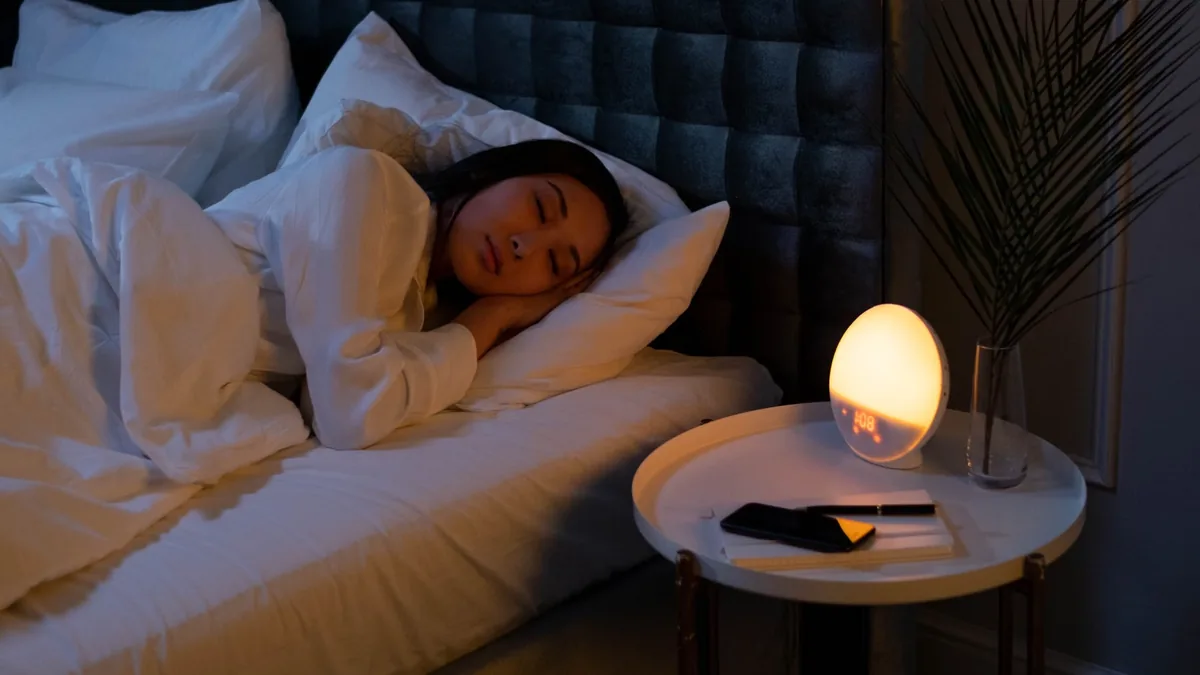
In my medical practice, the most common complaint I hear from women in their mid-forties to mid-fifties is not about hot flashes. It is about sleep. “I used to sleep through anything,” they tell me, “and now I wake up at 3 a.m. with my heart pounding, or I lie there at midnight, wide awake, for no reason at all.”
You are not imagining it, and you are not alone. Perimenopause is a documented window in which sleep gets measurably worse for a large share of women. The good news is that the fixes are not guesswork either: clinicians have tested what helps, and some interventions have solid evidence behind them. This guide walks through what changes in your sleep during perimenopause, why it happens, and which strategies research actually supports.
What actually changes in your sleep during perimenopause
The numbers matter because they tell you this is a biological transition, not a personal failure. In the Study of Women’s Health Across the Nation (SWAN), one of the largest long-running studies of the menopausal transition, sleep problems rose from 16–42% of premenopausal women to 39–47% of perimenopausal women, and stayed elevated after menopause. In other words, roughly four in ten women experience disturbed sleep during this window.
The pattern is specific too. It is rarely “I cannot fall asleep.” It is more often:
- Waking in the middle of the night, often at the same hour.
- Early morning waking, with no way back to sleep.
- Night sweats that pull you out of deep sleep, sometimes several times a night.
- Lighter, more fragmented sleep overall, even when the total hours look fine.
Longitudinal data from the SWAN cohort followed women for ten years across the transition and confirmed that insomnia symptoms genuinely increase through perimenopause, and that this is not simply a side effect of getting older. It is the transition itself.
Why perimenopause does this to sleep
Three things happen at once, and they reinforce each other.
1. The body’s thermostat gets narrower
Hot flashes and night sweats are not random heat. Research describes them as a narrowing of the “thermoregulatory zone,” the small band of core temperature your brain will tolerate before it dumps heat. As estrogen fluctuates and declines, that zone narrows, so a small rise in core temperature during deep sleep is enough to trigger a flash, a sweat, and an awakening. Your bedroom being warm matters more now than it did at thirty, because your tolerance for warmth has physically shrunk.
2. The sedative hormones step back
Progesterone has calming, sleep-promoting effects, and its levels drop steeply in the late transition. Estrogen influences sleep architecture too, including the quality of deep sleep. When both decline, sleep becomes lighter and easier to interrupt, which is exactly what the mid-sleep wake-ups feel like.
3. Mood and stress ride the same wave
Anxiety and low mood are more common in perimenopause, and they are both a cause and a consequence of broken sleep. If you lie awake at 3 a.m. with your mind running, you are in a classic loop: the hormone changes made the sleep fragile, and the worry keeps it fragile.
The honest read on hormone therapy
Hormone therapy remains the most effective treatment for bothersome vasomotor symptoms, and for many women it improves the sleep that those symptoms were wrecking. That is a conversation to have with your clinician, because it involves individual risk and preferences, and no article can make that call for you. What I will say honestly: for women whose night sweats are the main driver of waking, treating the flashes often fixes the sleep without any “sleep aid” at all.
This article deliberately stops at “talk to your clinician.” The rest of the recommendations below are things you can start tonight, and they carry no prescription risk.
What the evidence says helps
Cognitive behavioral therapy for insomnia (CBT-I)
If I could hand every perimenopausal patient one intervention, it would be CBT-I. This is a structured, short program that retrains the behaviors and thoughts that keep insomnia going: consistent wake times, getting out of bed when awake, and cutting the “I must sleep” pressure that makes sleep worse. Guidelines from The Menopause Society (formerly NAMS) list it among the recommended nonhormone approaches, and a 2026 randomized pilot trial in the journal Menopause found that a CBT program adapted for menopausal insomnia and nocturnal hot flashes produced promising improvements in both sleep and hot flash interference. You can find sleep-focused CBT programs through many providers, apps, and clinics, and it is the first-line treatment for chronic insomnia in general, not just menopause.
A cool bedroom and layered bedding
Because the thermoregulatory zone narrows, cooling is not a comfort preference anymore, it is a targeted intervention. Aim for a cool room (around 18–19°C / 65–67°F if you can), use layered bedding you can shed in the night, and consider a cooling pillowcase. If a night sweat wakes you, keep a glass of water and a dry change of sleepwear within reach so you can resettle quickly instead of lying in a damp bed.
A fixed wake time, seven days a week
CBT-I’s most powerful single lever is a consistent wake time, including weekends. A steady anchor time strengthens your circadian rhythm, which is one of the few robust clocks your sleep has left when hormones are unstable. Morning light within an hour of waking reinforces the same signal. If you already follow a wind-down routine, keep it, and if you do not have one, our practical sleep hygiene start-tonight guide walks through the full version.
Exercise, especially during the day
Regular exercise is associated with better sleep quality, and it also helps with the mood symptoms that feed insomnia. The effect on hot flashes themselves is modest and mixed, so be honest about what exercise is for here: it buys you deeper sleep and steadier mood, not a thermostat reset. A daily walk in daylight does double duty, it anchors the clock and lowers stress. Our walking benefits guide covers how to make it count.
Magnesium, with honest expectations
Magnesium is popular for sleep, and modest evidence supports it for some people, but it is not a menopause-specific fix and it will not stop a night sweat. If you want the full picture, including which forms have the most evidence, read our honest breakdown of magnesium for sleep before buying anything.
What quietly makes it worse
- Alcohol in the evening. A nightcap shortens deep sleep and is notorious for middle-of-the-night wake-ups and night sweats. The 3 a.m. rebound is not bad luck, it is the alcohol wearing off.
- Late caffeine. For women whose sleep is already fragile, caffeine’s half-life of five to six hours means an afternoon coffee can still be active at bedtime.
- Bedroom screens. Light close to the eyes delays the melatonin rise, and the stimulation does the rest. Move the phone out of reach and let the bedroom be boring.
- Chasing sleep with sleep aids. Over-the-counter and prescribed sleep medications can help briefly, but they are not a strategy for a transition that lasts years, and dependency is a real risk. This is exactly the situation CBT-I was built for.

When to talk to a doctor about perimenopause sleep
Some sleep problems in this window are not just perimenopause. Make an appointment if any of these apply:
- Loud snoring or gasping at night. Sleep apnea risk rises around and after menopause, and it is treated very differently from insomnia.
- Hot flashes are frequent and disruptive. There are effective options, including hormone therapy, and you deserve a real conversation about them.
- Mood is persistently low or anxious. Perimenopause is a known high-risk window for depression, and it is treatable.
- Insomnia has lasted more than three months. That is chronic insomnia by definition, and it responds best to structured treatment like CBT-I.
Your perimenopause sleep checklist
- Cool the bedroom to 18–19°C and use layers you can shed.
- Pick a wake time and hold it, seven days a week, within an hour of waking get outside into morning light.
- Cut alcohol in the evening and caffeine after early afternoon.
- Keep a wind-down routine: dim lights, screens away, 30–60 minutes before bed.
- Move during the day, a 20–30 minute walk counts.
- If night sweats keep waking you, keep water and dry sleepwear bedside so you can resettle in under a minute.
- If sleep is still broken after three months, look into CBT-I, and talk to your clinician about the vasomotor symptoms.
Written and reviewed by Dr. Rachel Stone, MD. This article is for education, not medical advice. Talk to a qualified provider about your own health, especially before starting or stopping any treatment.
Your move: pick one item from the checklist, just one, and start tonight. The cool room or the fixed wake time will do more than any supplement you can order at 2 a.m.




Leave a comment